
If I Were to Start a New Startup Today, Here’s What I’d Do Differently — and Why You’re Probably Doing It Wrong.
Most startups fail, and most founders don’t truly learn from their mistakes. We chase trends, get caught up in hype, and lose sight of what really matters.

Introduction:
Let’s be honest: Most startups fail, and most founders don’t truly learn from their mistakes. We chase trends, get caught up in hype, and lose sight of what really matters. I’ve been there. I’ve built and scaled companies, and I’ve made the hard decisions that taught me what really makes a startup successful.
So, if I were to start a new venture today, here’s what I would do differently. This is my blueprint, my mindset. And frankly, it’s going to make you rethink your entire approach.
1. I’d Build for SMEs, Importers, and International Merchants — Not the Mass Market.
I’ve wasted time in the past trying to serve "everyone." It’s a mistake. Today, I know exactly where the real value lies. SMEs, importers, and international merchants—these guys are constantly underserved. They deal with the challenges of cross-border payments, working capital, and regulatory nightmares every single day. They’re not getting the solutions they need. And that’s where the opportunity lies.
If you’re not focusing on them, you’re just throwing spaghetti at the wall. You’re building for a market that doesn’t have the urgency or the budget to truly scale with you. Build for those who need it most, and the rest will follow.
2. I’d Headquarter in the U.S., with Operational Hubs in Africa’s Key Markets.
Everyone talks about "starting in Africa" and then thinking about the U.S. market later. That’s backwards. I would headquarter in the U.S.—not because it’s easy, but because it gives you credibility, access to top-tier capital, and a strategic foothold in the global market.
But then, I’d establish operational hubs in Africa—Ivory Coast, Kenya, Egypt, and South Africa. These markets represent the future of growth, but they also need to be tackled with a serious, boots-on-the-ground approach. Forget just focusing on the West. The real game is in Africa, and you need to be in the right place from Day One.
3. I’d Get Key Licenses Early — Before I Even Think About Building Product.
Regulation is a pain in the ass, but it’s also a critical advantage if you get it right. Stop building your tech before securing the necessary licenses in the markets that matter. I’d be laser-focused on getting licenses in Tanzania, Canada, Ivory Coast, Nigeria, South Africa, and Dubai—markets that give you access to billions in cross-border transactions.
If you don’t lock these down early, you’re just going to waste time and money later. Don’t be arrogant and think you can "disrupt" the system. Make the system work for you.
4. I’d Be Credit-First, Payments-Sticky, and Partnership-Heavy — Forget Just Payments.
Too many founders get obsessed with "payments." Payments are important, yes, but credit is the real game-changer. Credit-first means building long-term relationships with your customers. They’ll keep coming back, and you’ll be sticky as hell.
And forget trying to do everything yourself—partnerships are where the magic happens. Work with banks, telcos, and established platforms to scale quickly without the cost and overhead of building everything in-house.
Trying to do everything alone is a rookie mistake. Build your moat with credit, payments, and strategic partnerships.
5. I’d Bring in High-Caliber Cofounders from Day One — No "Employees" Allowed
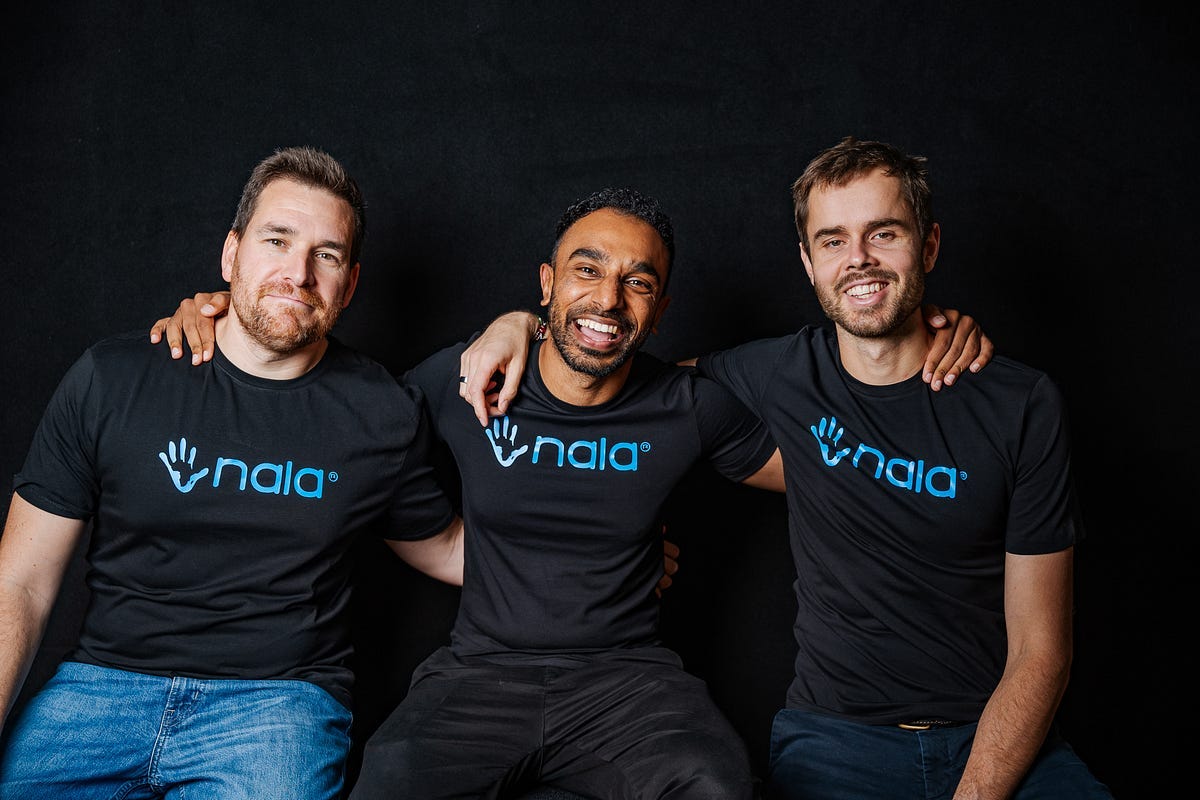
Let’s be real. You’re not building a company with "employees"—you’re building it with partners. Your founding team is everything. Don’t settle for mediocre cofounders or "hired guns"—bring in the best of the best from the start.
The cofounders I bring on would have deep industry expertise, a track record of operational excellence, and the resilience to handle the brutal grind that’s inevitable in building something great. If you don’t have that caliber of team from the beginning, you’re already losing. Hire founders, not employees.
6. I’d Raise VC Money Selectively — and Then Go Aggressive When It Counts.
I’ve raised venture capital, and let me tell you, it’s a double-edged sword. It’s not the money that matters, it’s the timing and the partners you choose, NOT every VC is for you or good for your business. I would raise selectively—not just for the sake of it, but because the right investors add serious value.
And when I’m ready to scale? I’d raise aggressively to lock in the resources I need to build defensible infrastructure—licenses, tech, partnerships. I wouldn’t sit on my hands and wait for capital to come. I’d go after it hard, because in today’s world, waiting means losing.
7. I’d Spend More Time Building the Company, Less Time on Product and Sales.
This is where most founders mess up. We obsess over product features and sales strategies, but those are just symptoms. The company itself is the product.
I would spend far more time building a team with the right mindset, setting up systems for scaling decisions, and fostering a culture of ownership. Without that foundation, your product will never scale, and your sales will stall. The company comes first—everything else is secondary.

Here’s the Reality.
If you’re not willing to think this way, if you’re not ready to disrupt your own approach—then you’re already behind. The world doesn’t need another me-too startup. The world needs bold, ambitious founders who see beyond the noise and focus on the right things. You’ve got to build an ecosystem that’s sticky, scalable, and ready for the long haul.
The truth is simple: If you don’t change the way you approach the game, you’re just going to be another failed startup statistic. But if you build it the right way—from the ground up—you’ll be in it to win it.
Are you ready to make that shift?
What I like in this piece is how blunt it is about regulation. Founders often imagine they can “hack around it,” but in reality licenses are the moat. Slow, bureaucratic, unsexy, yet probably the most defensible asset you can build.